
"chemical heat"
1000 article(s) found

How long after roasting coffee beans? the best time to eat coffee beans is about a few days.
How long after roasting coffee beans has a particularly important effect on the taste and flavor of boutique coffee. Brown beans are loved because of the aroma and taste formed by chemical reactions at high temperatures. Coffee beans in the roaster, after drying, high-temperature decomposition, cooling, in the two endothermic exothermic explosion occurred in the second explosion, resulting in flower and fruit aroma, rich taste.

Coffee roasting: roasting process, roasting degree and roasting curve
When we pour the coffee beans at room temperature into the drum of the roaster after preheating, the temperature in the drum will be pulled down quickly and sharply, and the heat accumulated inside will be absorbed by the coffee beans and cause water evaporation. One minute to a few minutes later (the reheating time is related to preheating temperature, heating source, drum design, raw bean quantity, etc.), as the bean table loses moisture, coffee

Coffee knowledge points: coffee roasting talking about roasting process, roasting degree and roasting curve
When we pour the coffee beans at room temperature into the drum of the roaster after preheating, the temperature in the drum will be pulled down quickly and sharply, and the heat accumulated inside will be absorbed by the coffee beans and cause water evaporation. One minute to a few minutes later (the reheating time is related to preheating temperature, heating source, drum design, raw bean quantity, etc.), as the bean table loses moisture, coffee
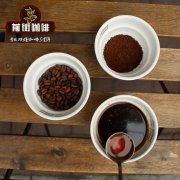
What chemical reaction changes will take place during the roasting process of coffee beans? What happened to the roasting of coffee beans
Professional coffee knowledge exchange more coffee bean information please follow the coffee workshop (Wechat official account cafe_style) coffee beans in the roasting process what chemical reactions will take place? What happened to the roasting of coffee beans? Sucrose: melting point 187.8 ℃-sugar? The conjugate = caramelization-water CO2 escapes to produce an explosive First Crack phenomenon. I measured the bean temperature 190 in the drum bean of the baking machine.
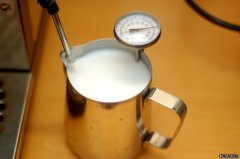
The Encyclopedia of Fine Coffee explains the meaning of latte in detail
The chemical composition of milk is protein, lipid, carbohydrate, inorganic, phospholipid, trace vitamins and so on. The formation of milk bubbles is due to the formation of a thin film on the surface when the milk is heated to more than 40 ℃. Just like we go to the convenience store to buy a bottle of fresh milk and heat it in the microwave, there will be a thin layer of fresh milk on the surface. That's milk protein.

The similarities between coffee roasting and bread roasting and stir-frying
Communication of professional baristas Please pay attention to the coffee workshop (official Wechat account cafe_style) to heat the food before eating, one for disinfection and the other for improving taste. China's brilliant food culture stems from the precipitation of thousands of years of experience. Food processing in the West, on the other hand, uses scientific data to find delicious chemicals that make customers turn back and consume again. Many people think that fried coffee and fried peanuts, popcorn and chestnuts
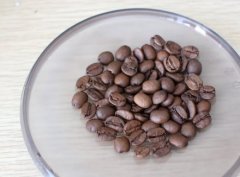
Experience the different tastes of coffee
The color, aroma and taste of coffee are caused by some complex chemical changes that take place during the baking process. Generally speaking, we use strong alcohol to show the round, mellow and strong taste of coffee.
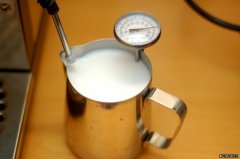
The knowledge of Italian Coffee drawing in detail the knowledge of Milk
The chemical composition of milk is protein, lipid, carbohydrate, inorganic, phospholipid, trace vitamins and so on. The formation of milk bubbles is due to the formation of a thin film on the surface when the milk is heated to more than 40 ℃. Just like we go to the convenience store to buy a bottle of fresh milk and heat it in the microwave, there will be a thin layer of fresh milk on the surface. That's milk protein.

How to bake the strong aroma of Italian coffee
Following Kaiping (official Wechat account vdailycom) found that Beautiful Cafe opened a small shop of its own. Specifically, during the coffee roasting process, the heat was slowly transferred to the beans. Under the action of high temperature, the chemicals contained in the coffee bean itself produce physical and chemical changes. For example, protein and sugar begin to interact with each other to produce the unique aroma of coffee. With the temperature
Chemical effects in the process of milk foaming
Assuming that all cows grow in the same place and eat the same food, the following three factors have a direct impact on milk: Lactose, milk fat and protein content.

Chemical changes in the reaction of coffee roasting which reactions are chemical changes in coffee bean roasting
Professional coffee knowledge exchange more coffee bean information please follow the coffee workshop (Wechat official account cafe_style) professional coffee roasting | coffee roasting is too complicated? A picture teaches you that there are two stages of change in the roasting process of raw beans after baking. 1 physical = volume, density, volume 2 chemical = smell, taste, taste intense coffee beans are roasted at high temperature.
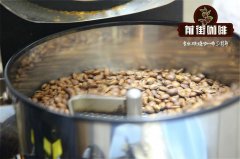
Principle and process of roasting coffee beans _ purpose and method of roasting coffee _ how to roast coffee beans
For more information on coffee beans, please follow the coffee workshop (official Wechat account cafe_style) roasting (Roasting): this heat treatment causes major chemical and physical changes in the structure and composition of raw coffee, causing the beans to darken and emit the characteristic aroma of roasted coffee. 1. The purpose of coffee roasting the main purposes of coffee roasting are as follows: A.
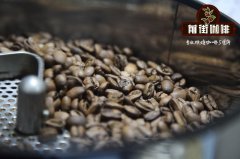
The quality of roasted coffee beans is changeable in flavor and taste. Purpose of coffee baking.
Professional coffee knowledge exchange more coffee bean information please follow the coffee workshop (Wechat official account cafe_style) We all know that the essence of fine coffee lies in each country, each manor, different treatment methods will greatly affect the quality of coffee beans, so as to get changeable flavor and taste. Now, in addition to the regional flavor of raw beans, there is also a way to obtain
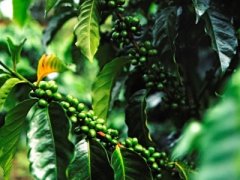
Roasting experience sharing in-depth analysis of coffee roasting skills and basics
Roasted coffee transforms the chemical and physical properties of raw coffee beans into roasted coffee products. The roasting process causes raw beans to expand and change their color, taste, smell and density, resulting in the special flavor of coffee. Unroasted coffee beans and roasted coffee beans contain similar acidity, protein and caffeine, but lack their good taste. The process needs enough heat to speed up beauty.

How does Manning bake? Manning, what is the better baking degree?
Mantenin Coffee is produced in Lake dopa in Sumatra Province and Lake Tawa in Aceh, which is known as Shuangman. What Shuangman of the two lakes have in common is that they are both thick and mellow. the difference is that the mantenin of Lake dopa is more stuffy, low and even has the smell of immortal grass, while Mantenin of Lake Tawa is more acidic, sometimes with a smell of cedar or wood. Manning is not a coffee bean.
The color and smell of coffee represent the quality of coffee.
The color, aroma and taste of coffee are caused by some complex chemical changes that take place during the baking process.

How to understand the difference between the aroma of coffee and the taste of sour coffee?
Professional coffee knowledge exchange more information about coffee beans Please pay attention to the color, aroma and taste of coffee in the coffee workshop (Wechat official account cafe_style). It is caused by some complex chemical changes that take place during the roasting process. Therefore, raw beans must go through appropriate chemical procedures to achieve the most balanced state of its essential ingredients in order to be regarded as the best baked beans.

What chemical reaction happens when milk becomes foam? How does milk become foam?
Professional coffee knowledge exchange More coffee bean information Please pay attention to coffee workshop (Weixin Official Accounts cafe_style) Although you don't need a degree in chemistry, it is indeed a more complicated technology to understand the chemical effect of milk on coffee. But if you want to make perfect, beautiful foam, you have to learn about milk. Milk goes with it.
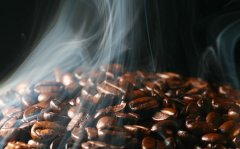
Basic knowledge of roasting Coffee Bean roasting
The so-called coffee roasting (coffee roasting) refers to the process that through heating the raw beans, a series of physical and chemical reactions take place inside and outside of the coffee beans, and in this process, the sour, bitter, sweet and other flavors of the coffee are formed, forming mellowness and hue, and transforming the raw beans into dark brown beans. The original beans of coffee rely on professional technology to maximize the flavor of beans. Baked